Little Flower Children School (LFCS) has entered a new phase of educational expansion with the launch of its Pan-India School Associate initiative, a model designed to bring structured and affordable schooling opportunities to more communities across India. Guided by Director Murlidhar Yadav, the initiative seeks to create a stronger connection between local educational entrepreneurs and an established school ecosystem, giving partners access to operational systems, professional guidance and management support while retaining the LFCS brand identity.
The launch represents an important development in LFCS's continuing “Education for All” vision. At a time when parents in many communities are looking for schools that can combine quality learning with manageable fee structures, the initiative has been designed around the idea of making dependable schooling more accessible. Rather than focusing only on expansion in terms of numbers, the School Associate model aims to provide a framework through which local partners can develop schools with greater organisational support and a clearly defined educational approach.
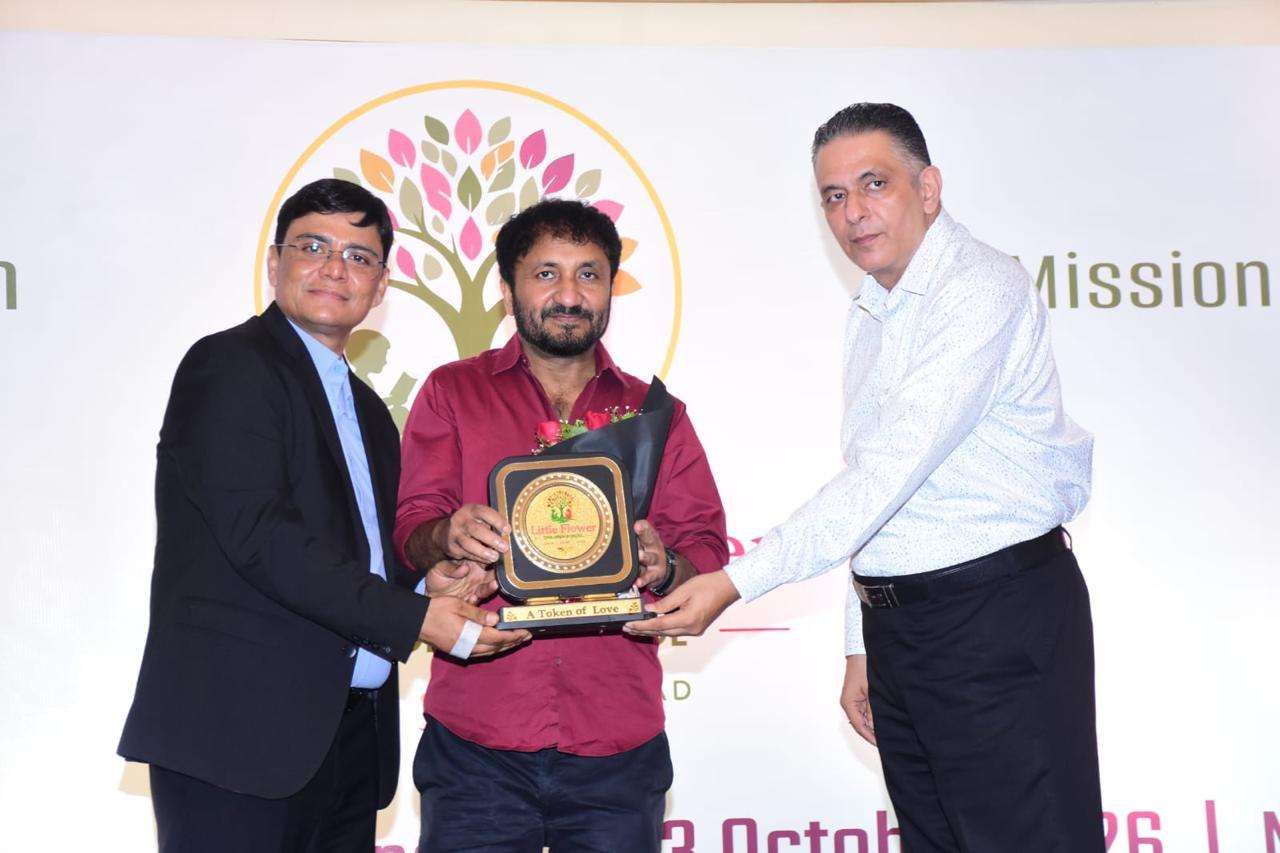
The initiative was launched alongside Anand Kumar, founder of the widely recognised Super 30 initiative, who attended the occasion as a distinguished guest and inaugurated the program. His presence added significance to an event centred on education, opportunity and the role of institutions in creating stronger learning environments for children. The launch brought together the leadership and supporters of LFCS around a common message: expanding education requires not only ambition, but also practical systems capable of supporting that ambition at the community level.
What makes the School Associate model distinct is its focus on partnership. A person interested in developing a school may have a strong understanding of the local community and its educational requirements, but establishing a dependable institution involves a much wider set of responsibilities. Academic planning, school administration, operational processes, management, parent engagement and day-to-day systems all need to work together. LFCS's new model seeks to provide partners with professional guidance and end-to-end management support so that they do not have to approach these challenges entirely on their own.
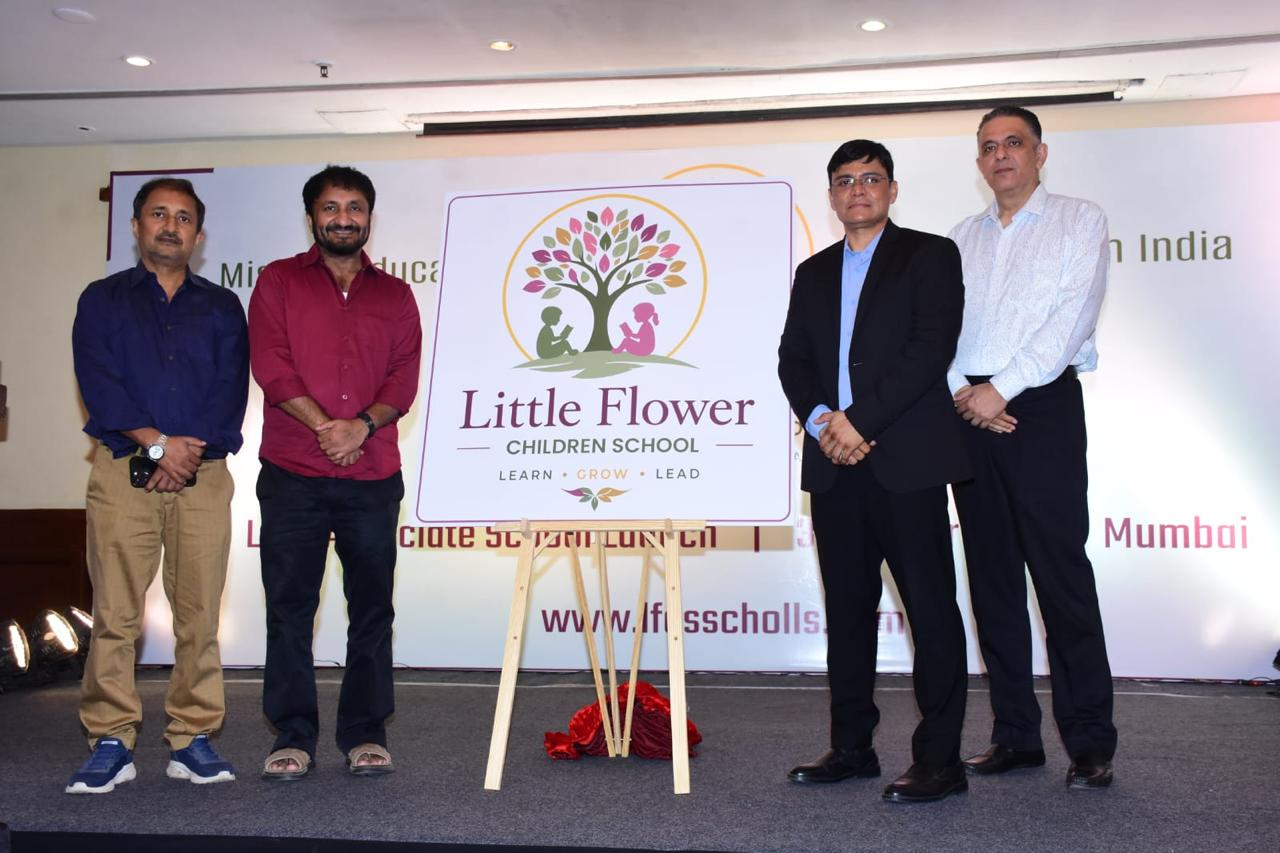
For Murlidhar Yadav, the broader objective is to create a model through which local initiative can become part of a larger educational framework. The Associate partners are expected to bring their own understanding of the communities they serve, while LFCS provides the institutional systems and professional support required to build and manage the school. This creates a model where local participation and an established educational identity can work alongside each other.
Affordability is another central element of the initiative. The program is intended to reach communities where families are seeking economical fee options while still expecting a dependable academic environment for their children. This creates an important balance for any school expansion initiative. Accessibility cannot simply mean lower fees; parents also expect consistency, a safe and supportive environment, organised administration and a learning approach that addresses the wider development of their children.
The launch event also received a special message from Bollywood actor Sharman Joshi, whose video was played during the occasion. Speaking about the responsibility schools have toward children's development, Joshi said, “I believe that shaping children into life-skilled individuals is not just the responsibility of parents, but of schools as well. That is why LFCS has taken this vital initiative. Instead of just talking about change, we must demonstrate it through action!”
The message added another dimension to the launch by drawing attention to the role of schools beyond conventional academics. Children spend some of their most formative years within educational institutions, and the experiences they have there can influence how they approach learning, relationships and challenges. The School Associate initiative has been presented within this broader understanding of education, with its emphasis on child-focused learning environments and structured schooling.
The Pan-India character of the program is particularly significant to LFCS's expansion vision. By opening the Associate model to partners in different parts of the country, the institution aims to create a wider network of educational opportunities rather than concentrating its efforts within a limited geographical area. Local partners can play an important role in this approach because they understand the aspirations of parents and the specific requirements of the communities in which they operate.
There is also an entrepreneurial dimension to the initiative. Education has increasingly become an area where individuals and organisations are looking for ways to create meaningful institutions while building sustainable ventures. The LFCS model provides such prospective partners with an opportunity to participate in the schooling sector through a structured association rather than attempting to develop every operational element independently. The combination of professional guidance, established systems and brand support is intended to make the process more organised.
Yet the larger purpose of the initiative remains educational rather than purely commercial. The success of such a model ultimately depends on the quality of the schools created, the experience of students and parents, and the ability of each institution to provide a dependable learning environment. This is why the emphasis on systems and management support becomes important. Expansion without consistency can create challenges, while a structured framework can help partners work toward common standards and expectations.
Under Murlidhar Yadav's leadership, LFCS is positioning the School Associate initiative as a way of taking its educational philosophy into new communities through collaboration. The model gives local partners a role in the expansion process while connecting them with the experience and framework of the larger institution. In that sense, the initiative is as much about building partnerships as it is about building schools.
The launch concluded with a heartfelt vote of thanks from Murlidhar Yadav, who expressed gratitude to Anand Kumar, the distinguished guests, partners and supporters associated with the occasion. His closing remarks brought the focus back to the collective nature of the initiative and the larger purpose behind the program.
With the School Associate vision now formally launched, LFCS begins a new chapter in its effort to extend accessible schooling opportunities across India. The initiative brings together local entrepreneurship, institutional support and an emphasis on child-focused education, while continuing to carry the organisation's larger message of “Mission Education! Mission India!” For LFCS, the next stage will be about translating that vision into schools and learning environments that can make a meaningful difference in the communities they serve.